Master Budgeting, Expenses & Taxes | Financial Planning Guide
A complete guide to budgeting, expense tracking, and tax planning. Learn how to manage money better using a smart finance app.
Latest Trends & Articles

Budgeting for Beginners Singapore: Your Step-by-Step 2026 Guide
Budgeting for Beginners Singapore: Your Step-by-Step 2026 Guide Written by the Personal Finance Team at Shoninfox — certified financial counselors with combined experience in CPF planning, personal budgeting, and Singapore wealth management. This guide reflects real Singapore cost-of-living data updated for 2026. Managing your money in Singapore for the first time can feel overwhelming. Between CPF deductions, rising cost of living, and the pressure to keep up with peers, many new earners fi

How to Pay Off $10,000+ in Debt: Complete Step-by-Step Plan (2026)
Written by the Debt Strategy Team at Shoninfox — financial counselors certified through the National Foundation for Credit Counseling (NFCC) with hands-on experience helping clients navigate credit card debt, student loans, and personal debt. This guide is based on current Federal Reserve data, CFPB research, and real-world payoff strategies updated for 2026. You have $10,000 in debt. Maybe it is credit cards. Maybe a personal loan. Maybe a mix. The number feels heavy. The minimum payments bar

Debt Snowball vs Avalanche: Which Method Pays Off Debt Faster? (2026 Guide)
You have credit card debt. You want to pay it off. But which method actually works? The debt snowball method — pay smallest balances first — is backed by behavioral psychology and championed by Dave Ramsey. The debt avalanche method — pay highest interest first — is mathematically optimal and saves the most money. Both work. Both have passionate advocates. And both are wrong for some people. Here's the truth: the best debt payoff method is the one you'll actually stick with. This guide doesn't j
 budgeting
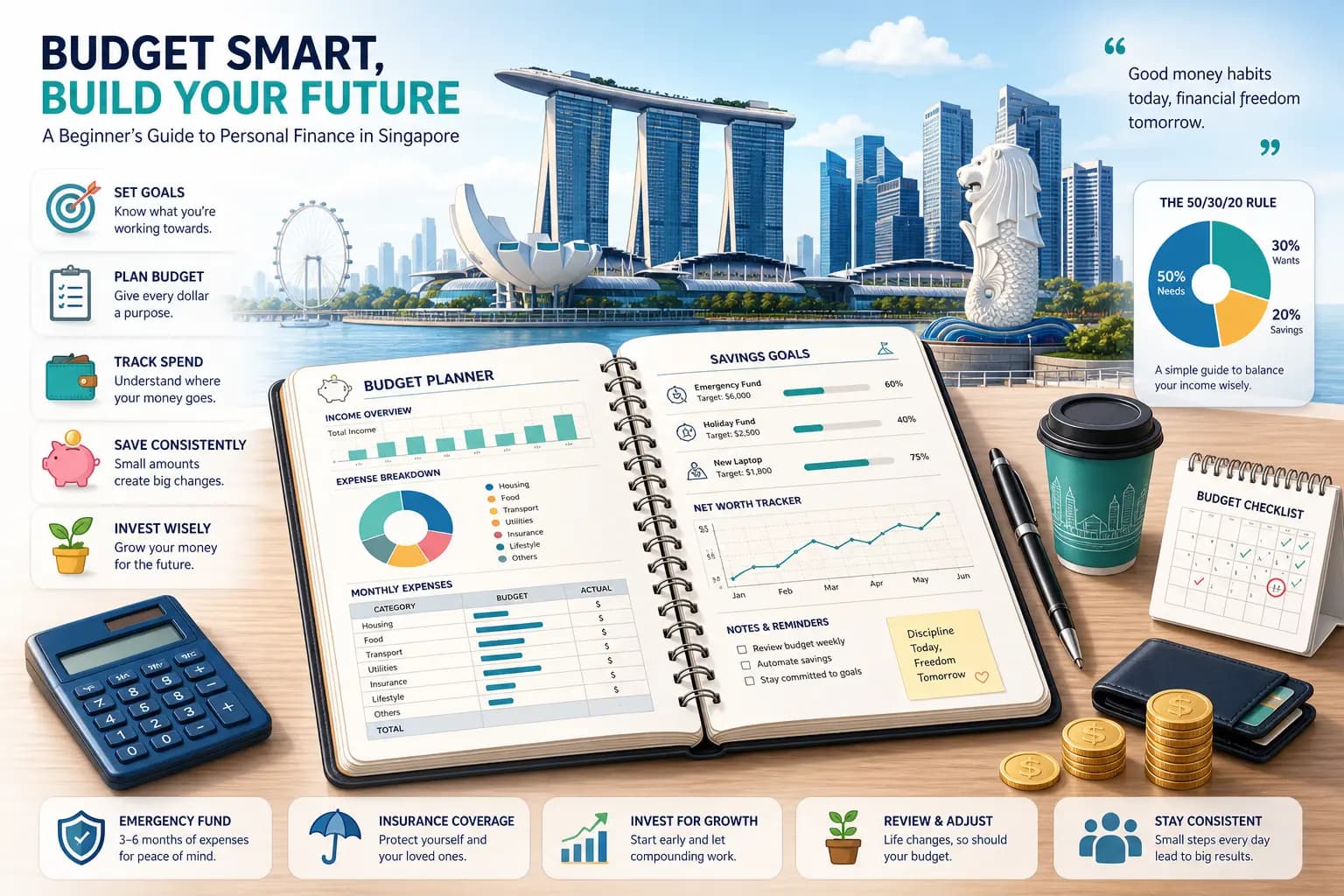
Budgeting for Beginners Singapore (2026): Your Complete Guide to Managing Money as a Singaporean
You just received your first paycheck. After CPF deduction, the number in your bank account is smaller than expected. Rent, food, transport, phone bills — the numbers do not add up. You are not alone. Most Singaporeans never learn how to budget properly. This guide fixes that — with real Singapore numbers, CPF explained plainly, and a framework that actually fits a Singaporean salary. The Short Answer (For Skimmers) * Average starting salary in Singapore: $2,500–$3,500 (fresh diploma/degree,
 budgeting
Budgeting for Beginners Singapore: Your Complete Step-by-Step Guide (2026)
Let me be honest with you: I grew up hearing "budget" and thinking it meant restricting yourself, feeling guilty about every purchase, and arguing about money. That is not what a good budget does. A good budget is the opposite — it is the thing that gives you permission to spend on the things you actually care about without the constant background anxiety of wondering where your money went. This guide is specifically for Singapore residents who have never been shown how to budget properly — or w
 subscription audit
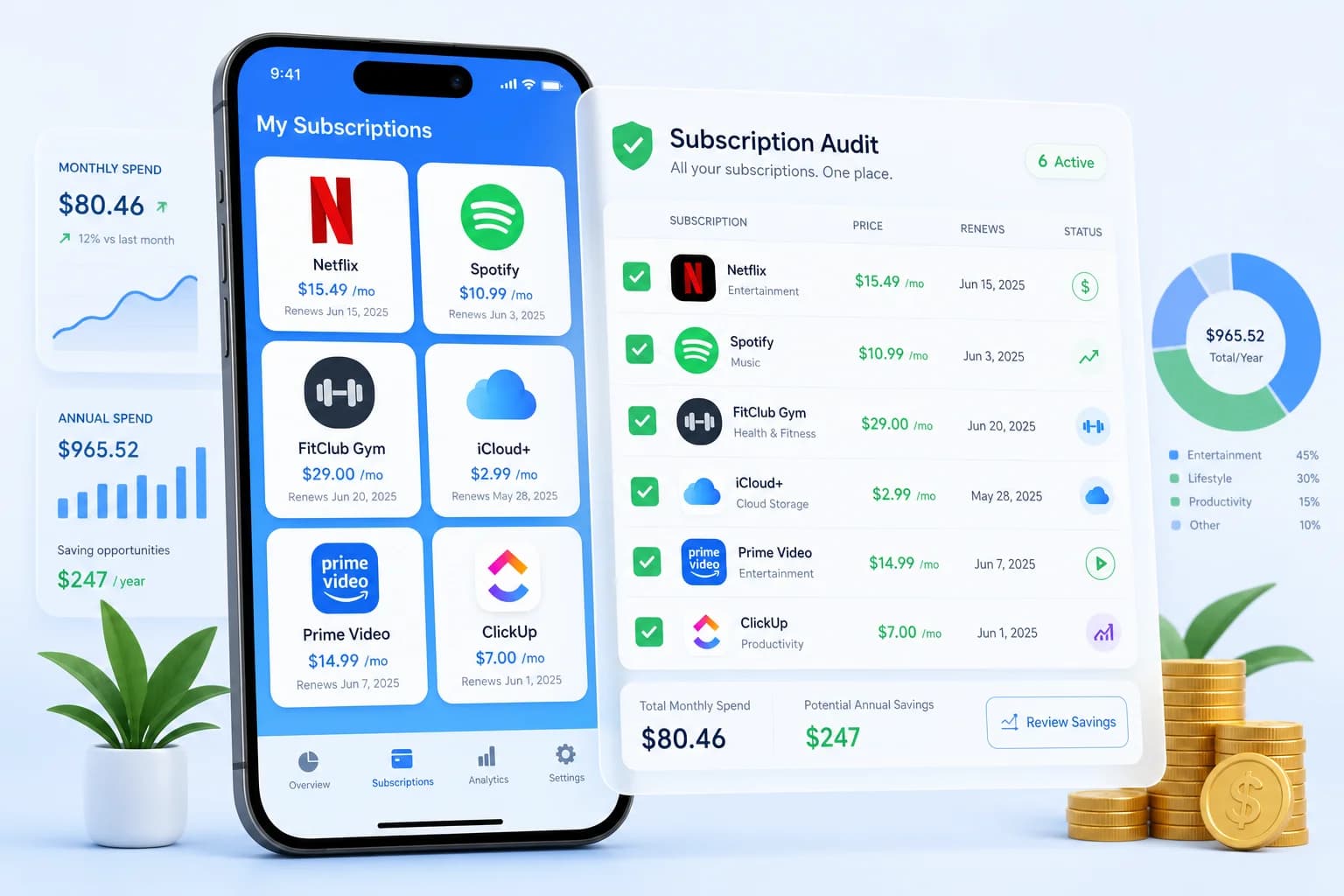
7-Day Subscription Audit Challenge: Find Hidden Subscriptions and Save $50–$200/Month
You check your bank statement and see charges you do not recognize. $14.99 to something called "STRM-8942." $9.99 to "APPSUB-2024." $49.99 to a gym you have not visited since January. I have been there. When I ran my first subscription audit, I found a $29.99/month cloud storage plan I had signed up for during a free trial in 2022 — and had been paying ever since. That one discovery alone was worth almost $900 over three years. The average American household spends $219–$300 per month on subscri
 budgeting
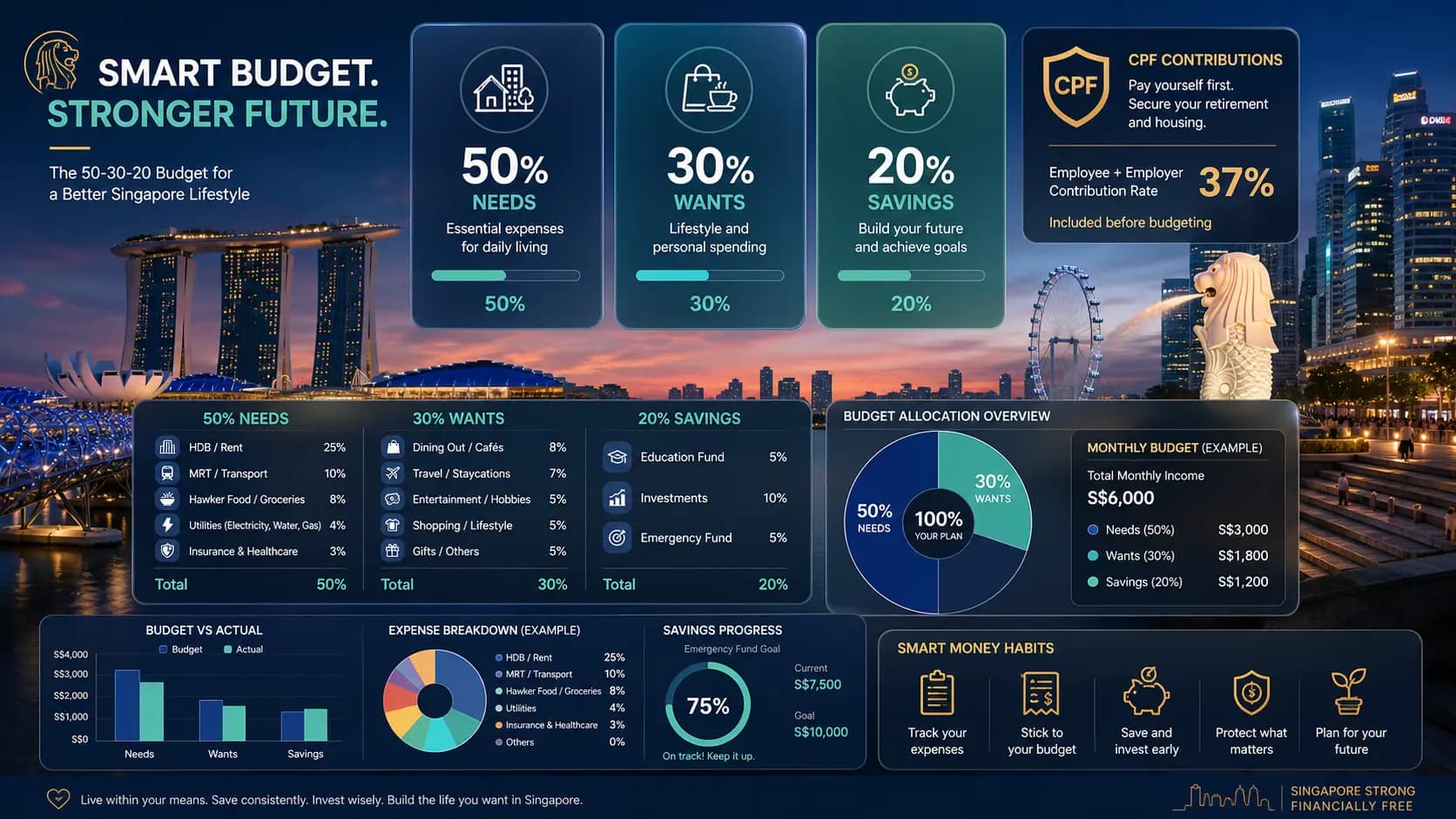
Budgeting for Beginners Singapore (2026): Your Complete Step-by-Step Guide
Let me tell you about my friend Razak. He earned $3,600 a month, lived in a HDB flat with his parents, and still ended 2024 with zero savings. Not because he was reckless, but because he never actually tracked where his money went. Every payday, the cash just evaporated. If that sounds familiar, you are not alone. Here is the thing most Singaporeans miss: your CPF contribution is technically part of your salary, which means the average fresh grad earning $3,500 per month is actually making close
 personal finance
Saving Money Without Feeling Broke: 7 Psychology-Backed Strategies That Actually Work
I used to pride myself on being disciplined with money. I tracked every expense in a spreadsheet, meal prepped on Sundays, and told myself no to almost everything fun. Three months later, I was broke anyway — and miserable on top of it. That was the moment I realized: traditional saving advice is designed for robots, not humans. We do not have infinite willpower. We have brains that respond to psychology, not spreadsheets. Once I stopped trying to be disciplined and started working with my brain
 personal-finance
How to Save Your First $10,000: A Step-by-Step Plan for 2026
Saving your first $10,000 is the hardest financial milestone — and the most important. Here is exactly how to get there, no matter your income. With US personal savings rates hovering around 3.4% in 2026, most Americans cannot cover a $1,000 emergency. Reaching $10,000 puts you in the top 20% of American savers — and gives you genuine financial breathing room for the first time. TL;DR: To save your first $10,000, calculate your savings rate, open a high-yield savings account (HYSA) earning 4–5%