Master Budgeting, Expenses & Taxes | Financial Planning Guide
A complete guide to budgeting, expense tracking, and tax planning. Learn how to manage money better using a smart finance app.
Latest Trends & Articles
 paycheck to paycheck
How to Stop Living Paycheck to Paycheck: The 2026 Escape Plan
If you are reading this, you are probably exhausted. Maybe you checked your bank account this morning and felt that familiar sinking feeling. Maybe you are one unexpected bill away from panic. Perhaps you have tried budgeting before, and it did not work — or worse, you feel too overwhelmed to even start. Here is what you need to know first: You are not broken. You are not alone. And there IS a way out, even when it does not feel like it. This is not a generic list of tips. It is a realistic, ste
 paycheck-to-paycheck
How to Stop Living Paycheck to Paycheck: A Realistic Escape Plan for 2026
If you are reading this, you probably feel stuck. You work hard — maybe even multiple jobs — but somehow there is never anything left when the month ends. You check your account with dread. You worry about surprises. You feel like you are failing. Here is the truth: You are not failing. The system is hard. And you are not alone — 35% of Americans feel trapped in this exact cycle. But here is the good news: There is a way out. It is not easy, but it is simple. And it starts today. You Are Not
 ["emergency fund"
Emergency Fund Guide 2026: How to Build One from Scratch (Start with $1K)
About 38% of Singaporean households have less than three months of expenses saved for emergencies — and the number is even higher in Indonesia, where informal employment makes steady savings harder to maintain. If that sounds familiar, you are not alone, and you do not need a massive income to fix it. Building it is simpler than you think: build a $1,000 starter fund first, then scale up. This article covers how to build an emergency fund from zero, tailored for Singapore and Indonesia audie
 "cost of living"
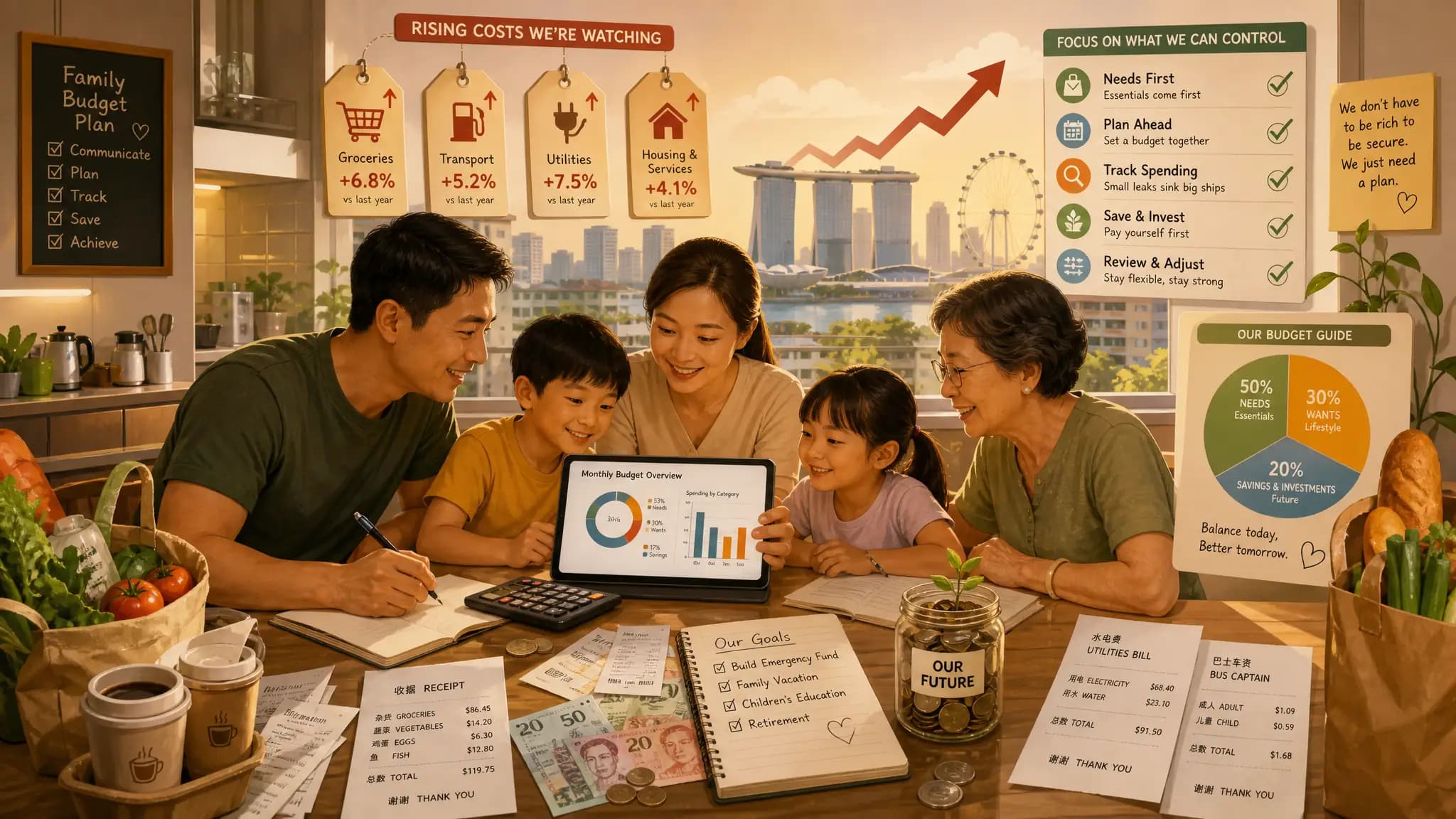
Singapore Inflation Survival Guide 2026: Practical Strategies When Prices Keep Rising
If you have been feeling the squeeze every time you buy groceries, fill up your car, or even just turn on the air-conditioning, you are not imagining it. Singapore is experiencing a sustained period of rising costs, and 2026 is not making it any easier. This guide breaks down what is driving price increases, which household areas hit hardest, and what you can actually do about it starting today. The goal is not to scare you but to give you a clear, practical plan that helps your wallet hold up e
 "budgeting"
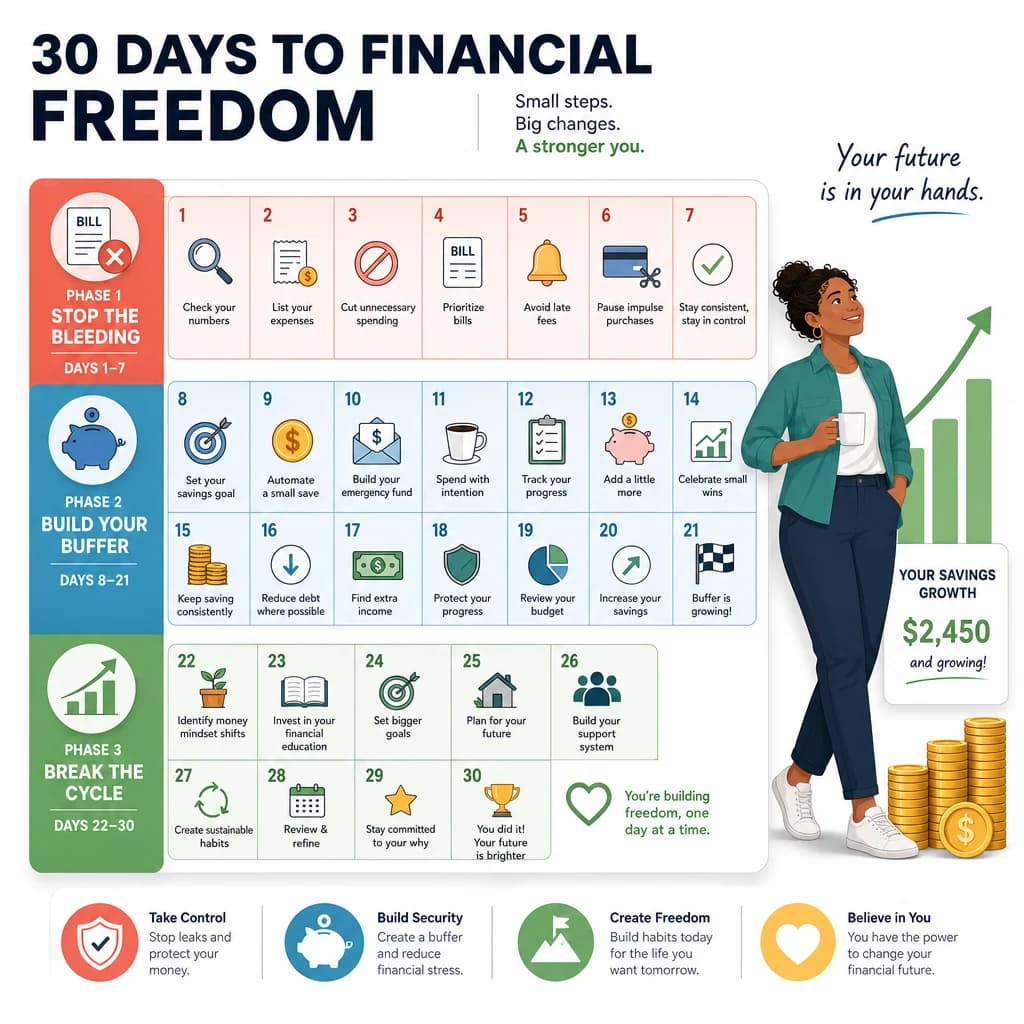
How to Stop Living Paycheck to Paycheck in 2026 (30-Day Plan)
Living paycheck to paycheck is not a character flaw — it is a system problem. Approximately 64% of Americans report covering their expenses with each paycheck, leaving little to no room for emergencies, goals, or peace of mind. The good news: you do not need a higher income to break this cycle. You need a better system. This 30-day plan is designed to help working adults move from surviving each month to actually building financial momentum — one actionable step at a time. Why Paycheck-to-Pay
 "singapore finance"
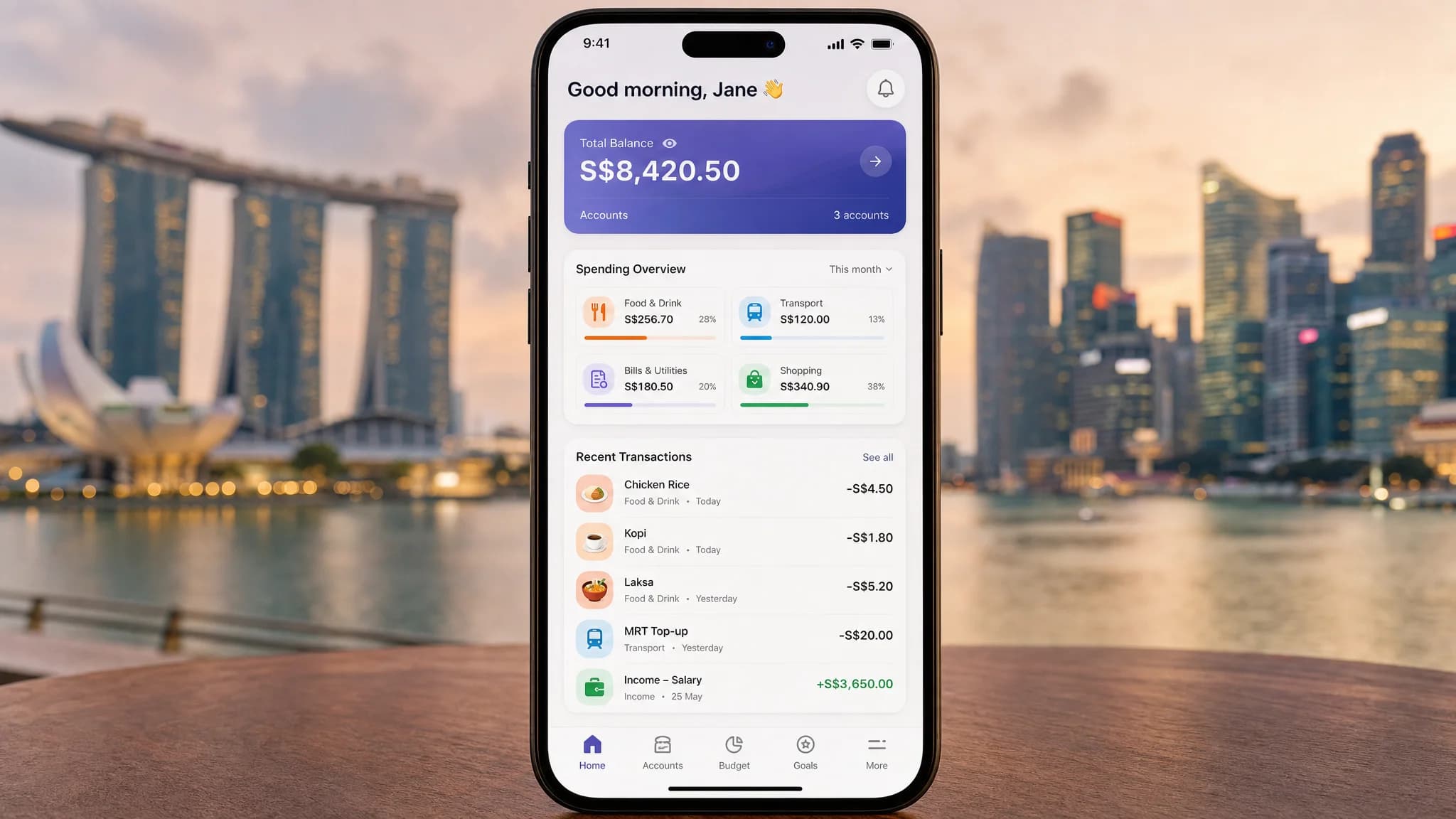
Budgeting App Features That Matter for Singaporeans (2026 Guide)
Most budgeting apps fail Singaporeans because they are built for American spending habits. Tipping, Black Friday deals, and 401k references do not match what you actually spend on — hawker meals, Grab rides, and CDC vouchers. If you have been comparing budgeting apps and feeling lost, this guide cuts through the noise. Here are the features that actually matter for your Singapore bank accounts, your daily spending, and your peace of mind. <2>Why Most Budgeting Apps Fail Singaporeans The Sing
 "personal finance"
Loud Budgeting Singapore: How to Say No to Spending Without Losing Face
Executive summary: Loud budgeting is the 2026 trend where you stop pretending you can afford things you cannot — and start being vocal about your financial boundaries instead. This guide adapts the trend for Singapore's unique social dynamics, where "face" and kiasu culture make money conversations tricky. Includes 7 practical scripts you can use today to say no without losing friends. What Is Loud Budgeting? (And Why It's Trending in 2026) Loud budgeting flips the traditional money-shaming
 "cost of living singapore"
Singapore Inflation Survival Guide: Practical Ways to Protect Your Budget in 2026
If you feel like your dollar buys less every month, you are not imagining it — and you are not alone. Inflation is real, it is stressful, and it is okay to feel overwhelmed. But here is the good news: there are concrete steps you can take to protect your budget without giving up everything you value. This guide walks you through a tiered approach — quick wins you can start today, medium-term adjustments for the next few months, and long-term strategies to build real resilience against rising cos
 budgeting app
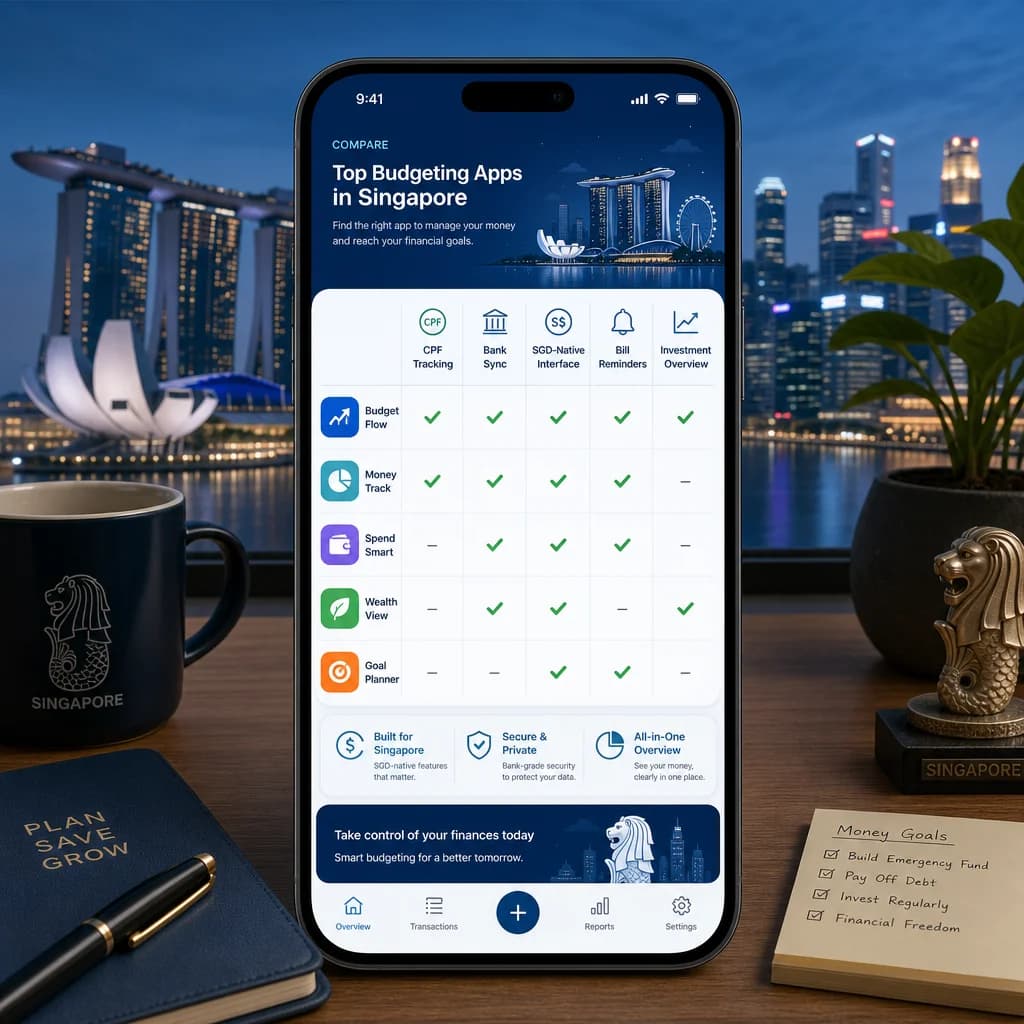
Best Budgeting App Singapore: 10 Features That Actually Matter in 2026
Most budgeting apps are built for Americans with credit cards and 401(k)s. You have PayNow, CPF, and hawker centre cash spends. Here's what actually matters when choosing a budgeting app in Singapore — and how to pick the one that fits your life, not a generic global reviewer's checklist. Why Most Budgeting Apps Fail Singaporeans If you've tried a budgeting app and given up, you're not alone. Here's why most apps disappoint Singaporean users: * Built for US credit card culture, not S