Master Budgeting, Expenses & Taxes | Financial Planning Guide
A complete guide to budgeting, expense tracking, and tax planning. Learn how to manage money better using a smart finance app.
Latest Trends & Articles
 "behavioral finance"
Doom Spending: Why It Happens and How to Break the Cycle Without Shame
You have heard the term floating around TikTok and Twitter. Maybe you saw it in a meme: I am not bad with money, I am just doom spending. Maybe you felt seen and also a little ashamed. Here is what you need to know: doom spending is real, it is not your fault, and there is a way forward that does not require you to become a different person. This guide breaks down exactly why it happens, how to tell if you are doing it, and what to do about it without toxic positivity or empty platitudes. Wha
 personal-finance
Doom Spending: Why It Happens and How to Break the Cycle (2026)
If you have ever bought something you did not need because saving for a house felt impossible anyway — you are not alone. Doom spending is not a character flaw. It is a predictable response to financial hopelessness in an economy where traditional milestones feel out of reach. But understanding why you do it is the first step to changing it. This guide covers the psychology, the economics, and a practical 7-step framework to help you break the cycle without shame or deprivation. Doom spending
 doom-spending
Doom Spending: Why It Happens and How to Find Balance (2026)
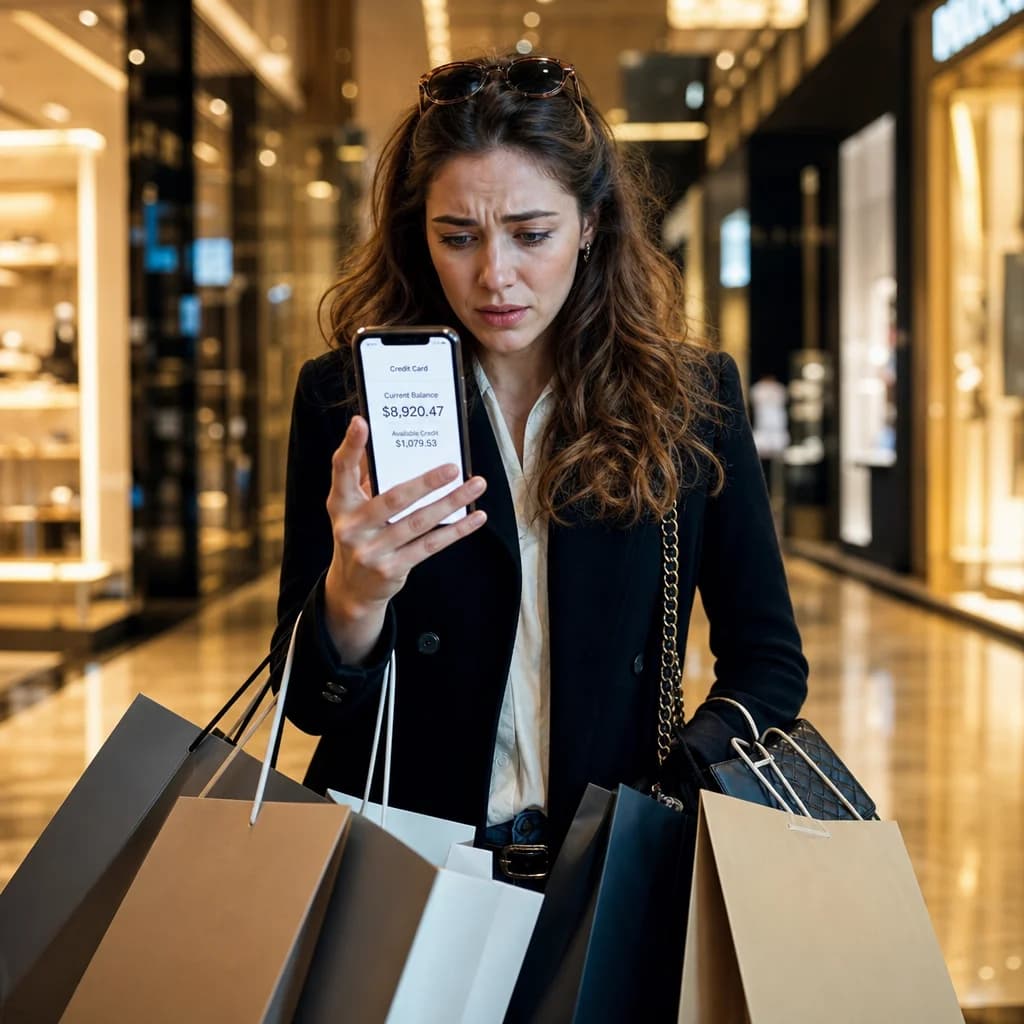
You have heard the term everywhere — TikTok, Twitter, your friends group chat. Doom spending. Maybe you laughed at the memes. Maybe you felt seen. Maybe you felt defensive. Here is the truth: doom spending is not a personal failure. It is a rational response to an irrational economic moment. And if you want to find balance without giving up everything that makes life worth living, you are in the right place. Doom spending is spending beyond your means because the future feels hopeless — not be
 doom spending
Doom Spending: Why It Happens and How to Break the Cycle
You bought a $16 cocktail at an airport bar. You had $3,000 in credit card debt and a flight to catch. You were not celebrating. You were just tired — tired of watching your bank account hover near zero while the future felt like a locked door. That one drink did not fix anything. But for about 90 seconds, you felt like you were not completely powerless. This pattern — spending to cope with hopelessness about your financial future — has a name: doom spending. Doom spending is the tendency to s
 BNPL
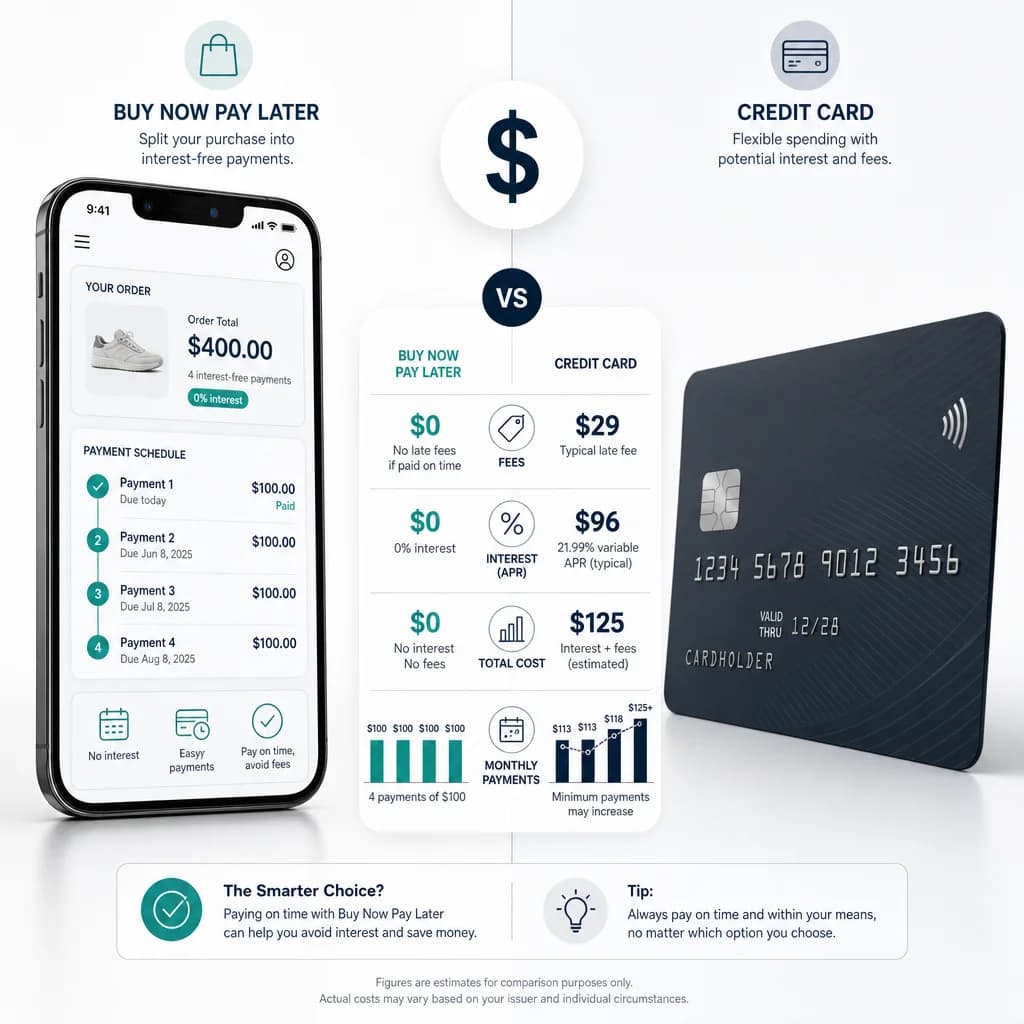
BNPLBNPL vs Credit Cards: Which Actually Saves You Money in 2026? (Real Cost Breakdown)
BNPL promises 0% interest. Credit cards offer rewards and protections. But when you run the actual numbers on fees, credit impact, and hidden costs, one of these payment methods is costing you far more than you realize. This guide cuts through the marketing hype from both sides with real dollar calculations, credit score analysis, and a decision framework you can use today. In short: BNPL wins for short-term, planned purchases if you can pay in full. Credit cards win if you carry balances, wan
 BNPL
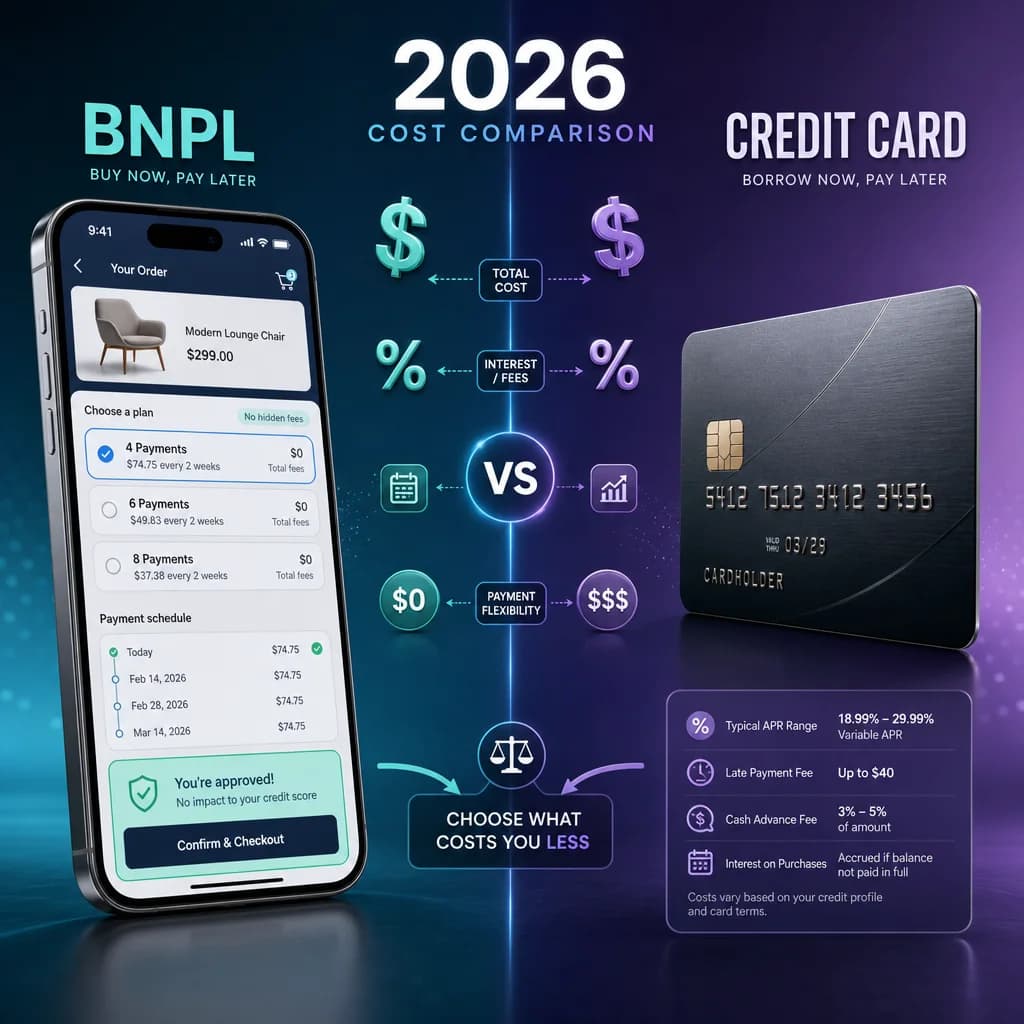
BNPLBNPL vs Credit Cards 2026: Which Actually Saves You Money? (Real Math Inside)
BNPL vs credit cards — which payment method actually saves you money? With US credit card debt at a record $1.23 trillion and BNPL usage exploding across retail platforms, more Americans are facing exactly that question. The answer is not simple — and anyone telling you otherwise is selling something. Here is the real math, the actual risks, and a decision framework based on YOUR financial situation. The Short Answer — It Depends on Your Situation Both Buy Now Pay Later (BNPL) services and
 BNPL
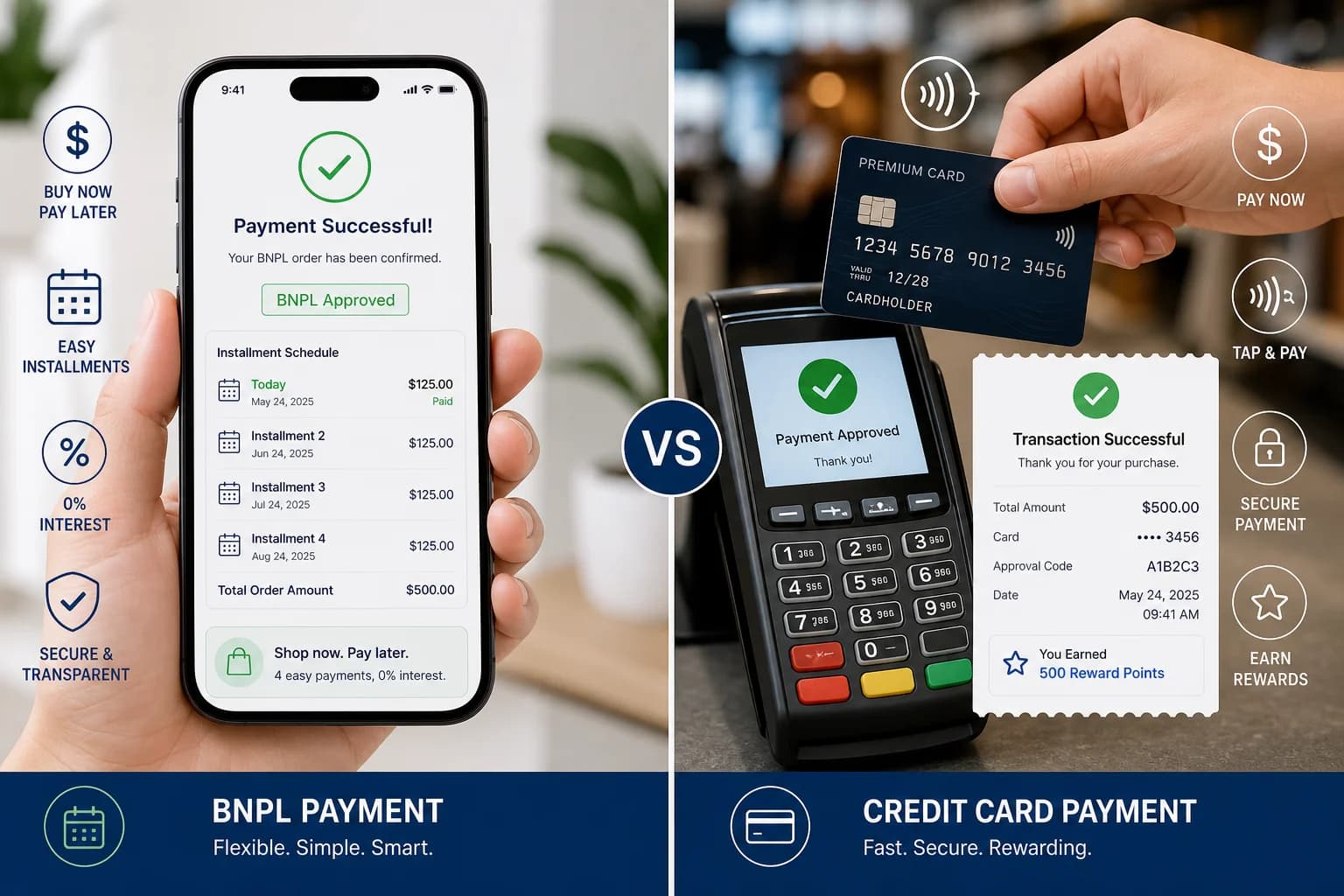
BNPLBNPL vs Credit Cards 2026: Which Actually Saves You Money?
You are at checkout. The total is $650. You have two options: split it into 4 interest-free payments with BNPL, or put it on your credit card and pay it off over time. Both seem reasonable. But which one actually costs less? The answer depends on your specific situation—and most comparison articles will not tell you why. This one will. With U.S. credit card debt hitting a record $1.23 trillion in 2026 and BNPL usage surging among millennials and Gen Z, understanding the real cost difference betw
 emergency fund
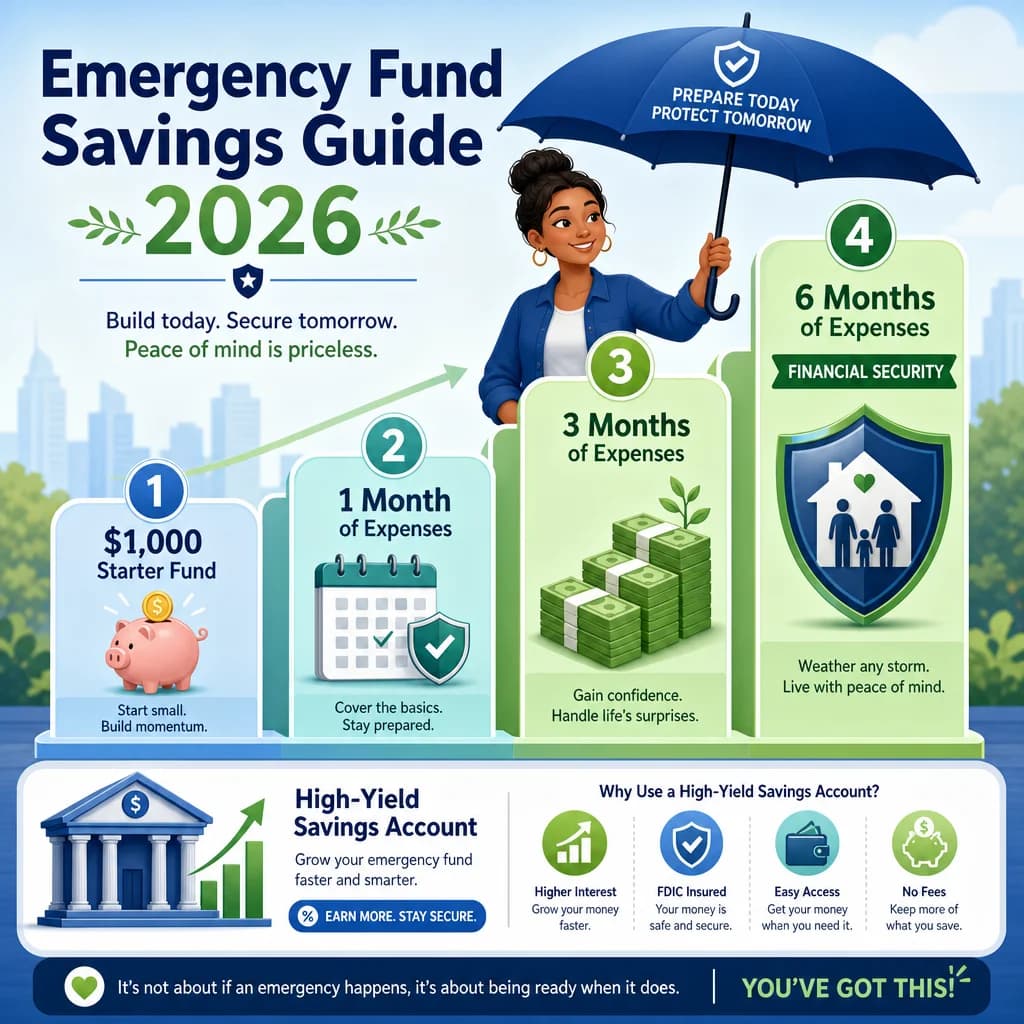
How to Build an Emergency Fund from Scratch in 2026 (Start with $500)
Only 41% of Americans can cover a $1,000 emergency—and if you are reading this, you probably know you should have an emergency fund but you do not. Maybe you feel guilty about it. Maybe you feel overwhelmed by advice telling you to save six months of expenses when you already struggle to make this month's rent. Here is what you need to know: you are not broken. And you do not need $10,000 to start. You need $500. This guide shows you exactly how to get there—even if you are living paycheck to pa
 emergency fund
How to Build an Emergency Fund from Scratch — Even If You Are Living Paycheck to Paycheck
Only 41% of Americans can cover a $1,000 emergency without borrowing. If you are living paycheck to paycheck, the idea of building an emergency fund may feel like a distant dream — but it is more achievable than you think. This guide walks you through a realistic, step-by-step process to build your starter fund and scale it into meaningful financial security, even on a limited income. Why You Need an Emergency Fund (And Why It Feels So Hard to Start) An emergency fund exists for one purpose