
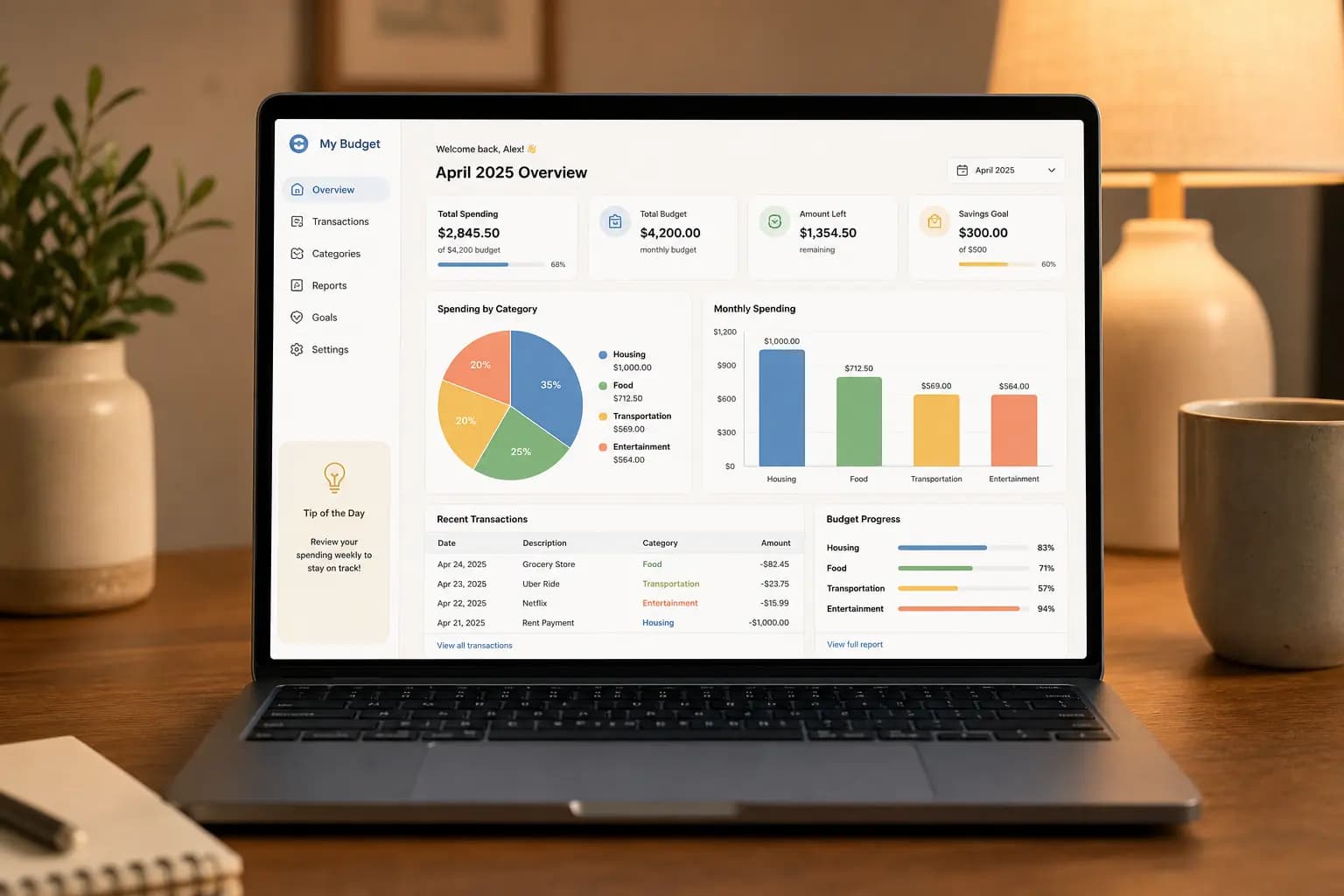
Learning how to track expenses is one of the smartest moves you can make with your money. Whether you are living paycheck to paycheck or saving for something big, knowing where your money goes gives you real control. This guide walks you through setting up an expense tracking system that actually works—without overwhelming you.
Why Tracking Expenses Matters
Before we dive into the steps, let us talk about why this matters. Most people have a general idea of their spending, but the details often surprise them. That daily coffee run? It adds up to hundreds per month. Those forgotten subscriptions? They are quietly draining your account.
- Spot spending leaks you did not know exist
- Make confident decisions about your money
- Build a foundation for budgeting and saving
- Reduce financial stress by knowing the numbers
The good news? You do not need to be a spreadsheet wizard or download ten different apps. You just need a simple system you can stick with.
What to Track First
If the idea of tracking every penny feels overwhelming, start small. Focus on these three categories first:
- Fixed expenses: Bills that stay the same each month (rent, insurance, loan payments)
- Variable essentials: Necessary costs that fluctuate (groceries, gas, utilities)
- Discretionary spending: Optional purchases (dining out, entertainment, shopping)
Once you are comfortable tracking these three, you can add more detail. The goal is progress, not perfection.
Step 1: List Your Income and Fixed Bills
Start by writing down what you earn each month after taxes (your take-home pay). Then list every fixed bill you pay monthly including rent/mortgage, car payment, insurance, phone bill, internet, student loans, and subscriptions. This gives you your baseline—the money that must go out every month before anything else.
Step 2: Review Bank Statements and Subscriptions
Pull up your last two or three bank statements and credit card bills. Look for recurring charges you forgot about like old gym memberships, free trials that converted, and apps you no longer use. Also identify irregular expenses like annual insurance payments, quarterly bills, and yearly subscriptions. Take a highlighter and mark every subscription. Ask yourself: Am I still using this? Cancel what you do not need. This single step often helps people identify meaningful savings each month.
Step 3: Choose a Tracking Method
There are three main ways to track expenses. Pick the one that matches your personality and habits:
Option A: Budgeting Apps (Easiest)
Apps like Rocket Money, YNAB (You Need A Budget), or PocketGuard connect to your bank accounts and automatically categorize transactions. Best for people who want automation and do not mind linking accounts. Many offer free tiers with subscription tracking and bill negotiation features—though specific features and pricing can change, so check their current offerings. Some excel at zero-based budgeting with free trials available. Others show what is safe to spend after bills on their free tier. Pros include automatic categorization, real-time updates, and spending insights. Cons include subscription fees for premium features on some platforms. According to the Consumer Financial Protection Bureau (CFPB), digital budgeting tools can help consumers build awareness of spending patterns when used consistently.
Option B: Spreadsheet (Most Flexible)
Create a simple Google Sheets or Excel file with columns for Date, Description, Category, and Amount. Best for people who like control and do not mind manual entry. Pros include being free, fully customizable, and private. Cons include requiring discipline to update regularly. The FDIC Money Smart program recommends spreadsheet tracking as a valid approach for those who prefer hands-on money management.
Option C: Paper and Pen (Simplest)
Carry a small notebook or use a printed expense tracker. Write down every purchase immediately. Best for cash spenders and people who prefer analog systems. Pros include no tech required and forcing mindfulness about spending. Cons include manual calculations and being easy to forget receipts.
Step 4: Categorize Your Spending
Create 5-10 spending categories that make sense for your life. Here are common ones: Housing (rent, mortgage, utilities), Transportation (car payment, gas, insurance, maintenance), Food (groceries, dining out), Personal Care (haircuts, toiletries, clothing), Entertainment (streaming, movies, hobbies), Savings/Debt (emergency fund, extra debt payments), and Miscellaneous (gifts, donations, unexpected). Every time you spend money, assign it to a category. This reveals patterns—like discovering you spend way more on takeout than you realized.
Step 5: Review Expenses Weekly
Set a weekly money date with yourself (15-20 minutes). Pick the same day each week—Sunday evening works well for many people. During your weekly review, add up spending by category, compare to your mental budget, note any surprises or unusual expenses, and adjust next week spending if needed. Weekly reviews prevent month-end surprises. They also train you to be more intentional about spending throughout the week.
App vs Spreadsheet vs Paper: Which Is Best?
Still unsure? Start with paper for one week. If you stick with it, consider upgrading to a spreadsheet or app. The best method is the one you will actually use.
Common Expense Tracking Mistakes
Avoid these pitfalls that trip up beginners: Forgetting cash purchases—keep receipts or jot down cash spending immediately. Waiting until month-end—too late to course-correct, review weekly instead. Over-categorizing—20 categories become overwhelming, start with 5-8. Being too hard on yourself—one bad week does not mean failure, just get back on track. Not tracking irregular expenses—car repairs, annual bills, and gifts need their own categories.
How to Track Expenses Without Feeling Overwhelmed
If the process feels like too much, try these simplification strategies: The One Week challenge—track everything for just seven days for a snapshot without long-term commitment. The envelope method—withdraw cash for variable expenses and when the envelope is empty, spending stops. No tracking required, just discipline. The 50/30/20 approach—spend 50% on needs, 30% on wants, and save 20%. Track only which bucket expenses fall into.
How Do Couples Track Expenses Together?
Money conversations are hard, but tracking together prevents conflict. Options include using a shared app where both partners connect accounts, having a monthly meeting to review a spreadsheet together, splitting responsibilities where one person tracks and both review, or tracking joint expenses separately from personal spending. The key is agreeing on the method and checking in regularly—ideally weekly, not just when problems arise.
FAQ: Common Questions About Expense Tracking
What is the easiest way to track expenses? For most people, a budgeting app that connects to your bank accounts. Many offer free tiers for beginners. If you are privacy-conscious or prefer manual control, a simple spreadsheet works great.
Should I track expenses daily or weekly? Daily tracking gives the most accuracy, but weekly reviews are more sustainable for most people. Find a rhythm that works for your schedule and personality.
Is a spreadsheet better than an app? Spreadsheets offer more customization and privacy. Apps offer convenience and automation. Neither is objectively better—choose based on your tech comfort level and how much control you want.
What categories should I use? Start simple: Housing, Transportation, Food, Personal Care, Entertainment, Savings/Debt, and Miscellaneous. You can always split categories later as you learn your spending patterns.
What is the difference between budgeting and expense tracking? Expense tracking is recording where your money went. Budgeting is deciding where it should go in advance. Tracking is the foundation—once you know your spending, you can build a realistic budget.
Start Tracking Today: Your 7-Day Action Plan
Ready to begin? Here is your simple starter plan: Day 1—choose your method. Day 2—list all fixed monthly expenses. Day 3—review bank statements for subscriptions to cancel. Day 4—set up your categories. Day 5—track every expense today to test your system. Day 6—first weekly review, adjust categories if needed. Day 7—celebrate completing your first week and plan to continue!
The best expense tracking system is not the most detailed one. It is the one you will actually use. Pick a method, try it for one month, and watch how your relationship with money changes. Ready for the next step? Once you have tracked for a few weeks, you can build your first real budget. But that is a story for another day. For now, just start tracking.
Sources and Further Reading: Consumer Financial Protection Bureau (CFPB) budgeting resources and digital tool guidance, FDIC Money Smart personal finance education program, Federal Reserve Board personal finance education resources, Bureau of Labor Statistics Consumer Expenditure Surveys for spending pattern benchmarks
Take control of your money today
Start free with Spendmate — track expenses, plan budgets, and reach your financial goals.
Start free with Spendmate