Master Budgeting, Expenses & Taxes | Financial Planning Guide
A complete guide to budgeting, expense tracking, and tax planning. Learn how to manage money better using a smart finance app.
Latest Trends & Articles
 "cut monthly expenses"
Subscription Audit 2026: Cut $100–$200/Month Without Giving Up Anything You Actually Use
Here is an uncomfortable math problem: the average American household pays for 12–15 subscriptions monthly, spends $250–$400/month, and forgets about 30–40% of what they pay for. That is $1,500–$2,000 per year—vanished into autopilot charges for services you do not remember signing up for. The good news: in 90 minutes, you can audit every subscription, cancel the waste, negotiate better rates on keepers, and reclaim $100–$200/month without giving up anything you actually use. No shame. No ju
 inflation
Inflation Survival Guide 2026: How to Budget When Prices Are Still Rising
Here is the truth nobody wants to say: prices are not going back to 2021 levels. The groceries, gas, rent, and insurance costs you are dealing with right now? This is the new normal. And if your budget was built for a different economy, no wonder it feels broken. You are not failing. The system changed. This guide is about rebuilding for the economy we actually live in with real data, real strategies, and zero shame. Sarah Chen is a Certified Financial Planner (CFP) with eight years of experie
 debt-management
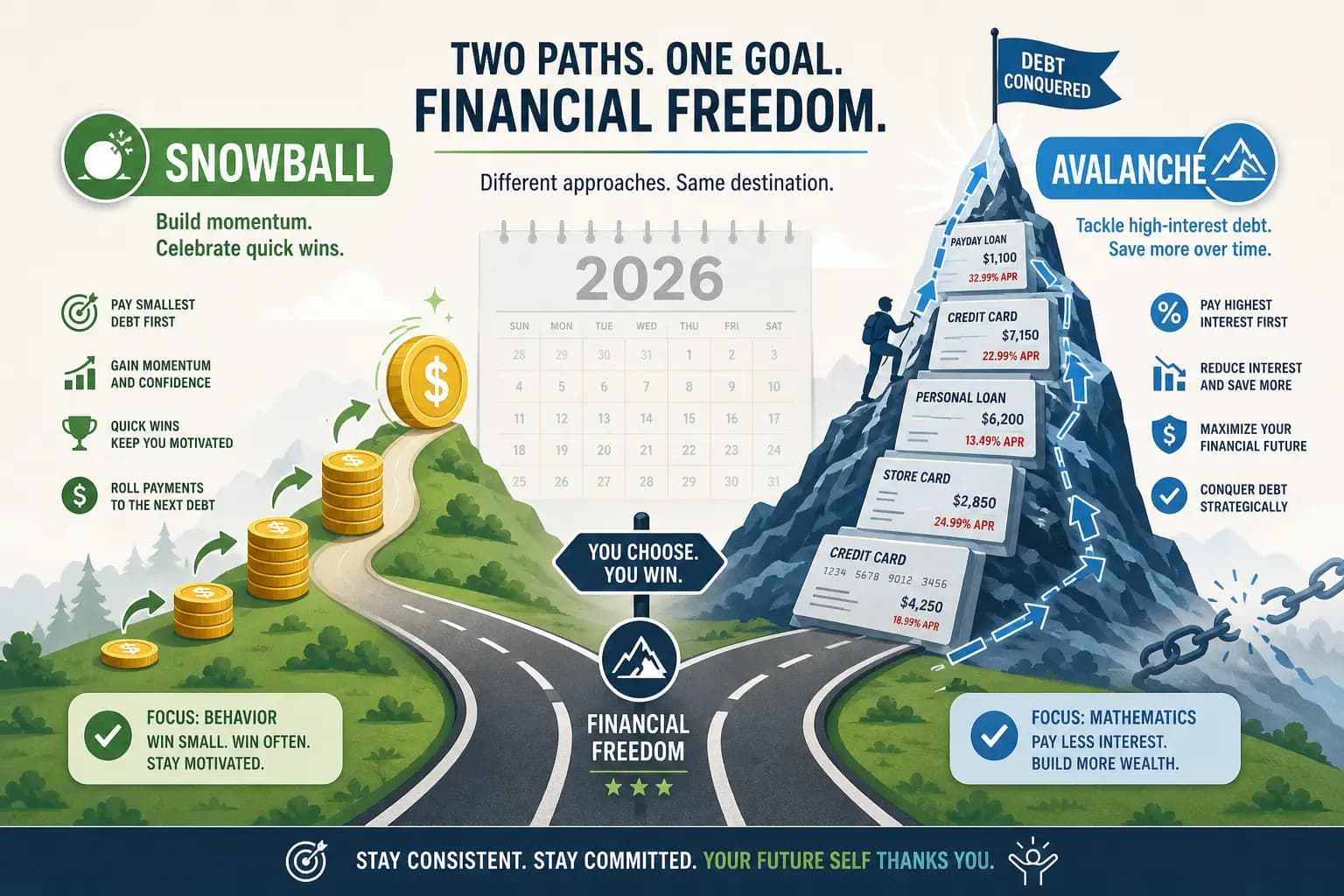
Debt Snowball vs Debt Avalanche in 2026: Which Method Actually Works?
You have decided to pay off your debt. Congratulations — that is the hardest step. Now you face a different question: Should you use the debt snowball (smallest balance first) or the debt avalanche (highest interest first)? One method will save you more money. The other method will keep you motivated when the journey gets hard. This guide compares both with 2026 data, real dollar examples, and a decision framework to help you pick the right method for YOUR brain and YOUR debt. The Short Answe
 debt-payoff
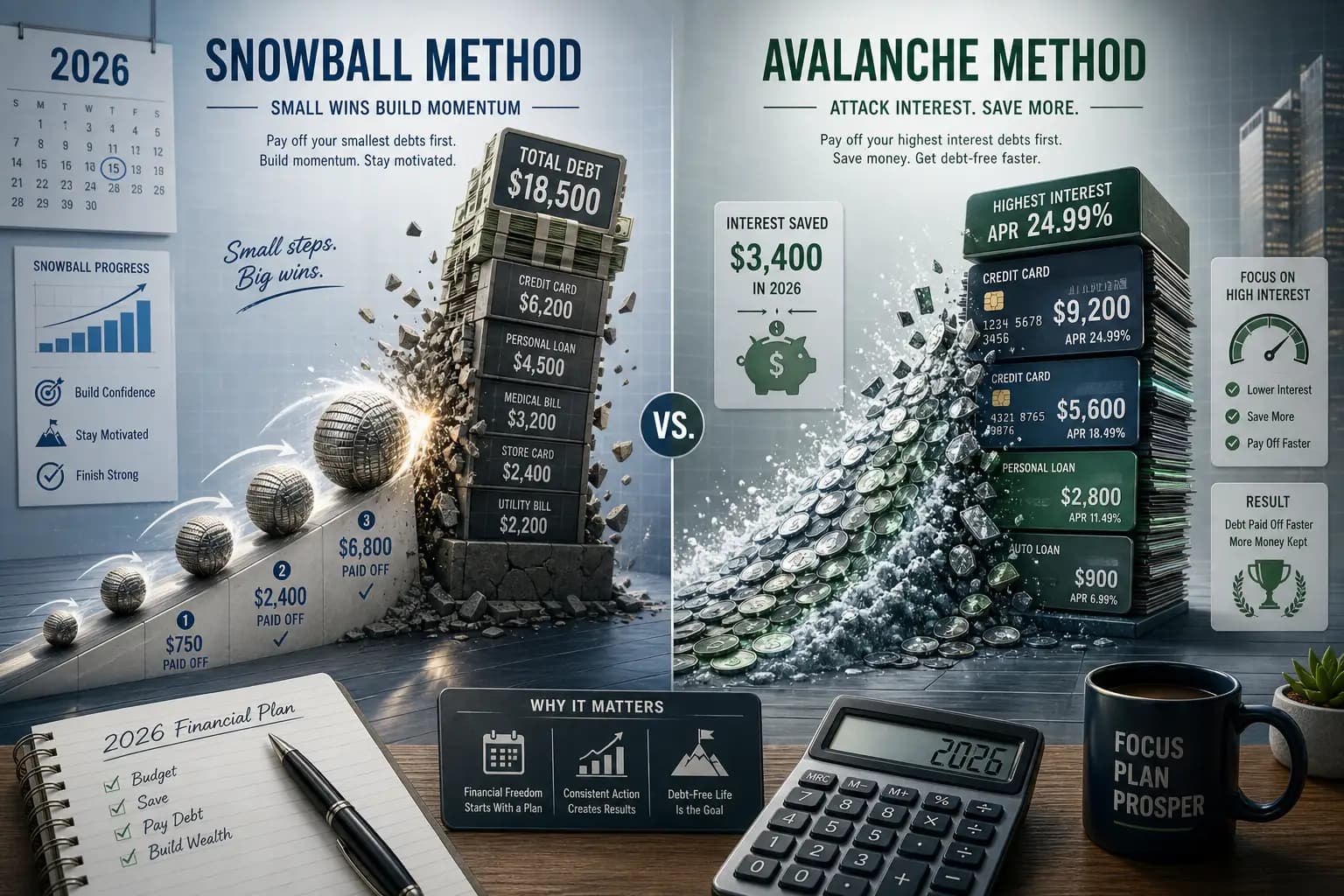
Debt Snowball vs. Debt Avalanche: Which Method Wins in 2026?
<1>Debt Snowball vs. Debt Avalanche: Which Method Wins in 2026? You have debt. You know you need to pay it off. But there are two competing methods, and they give opposite advice. The debt snowball says attack your smallest balance first. The debt avalanche says attack your highest interest rate first. Mathematically, avalanche saves you more money. Psychologically, snowball keeps you motivated. So which should you choose in 2026? The answer depends on your debt type, your interest rates, and
 ai
aiBest AI Budgeting Apps 2026: Tested, Ranked & Actually Useful
Every budgeting app claims AI. Scroll through any app store and you will see smart insights, machine learning, and automated intelligence plastered across descriptions. But here is the truth: most of these apps just categorize transactions using basic rules. Real AI — the kind that learns your habits, predicts cash flow issues, and nudges you before you overspend — is rarer than the marketing suggests. We spent 30+ days testing 15 budgeting apps to find the ones where AI actually makes a differe
 ["debt payoff"
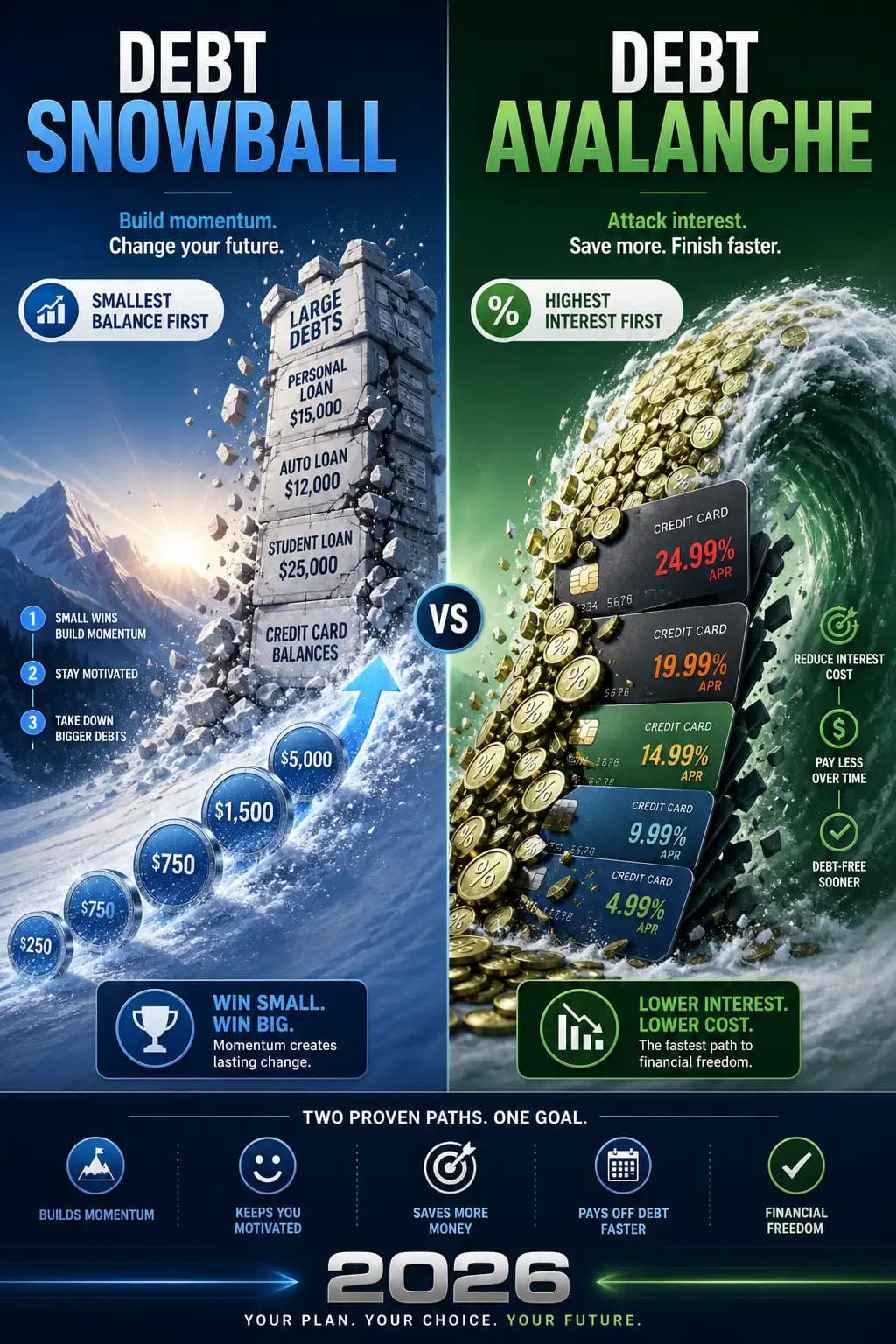
Debt Snowball vs Avalanche 2026: Which Payoff Method Saves More Money (and Which Will You Actually Stick With)?
You have two choices for paying off debt. One saves you more money. The other keeps more people from quitting. Which should you pick? The answer depends less on math and more on your brain. This guide covers the real 2026 numbers, the behavioral research, and exactly how to execute whichever method matches your psychology and your numbers — starting today. The Short Answer: Which Method Wins? Debt Snowball: Pay your smallest balance first, ignore interest rates. You get quick wins, build mo
 "debt snowball"
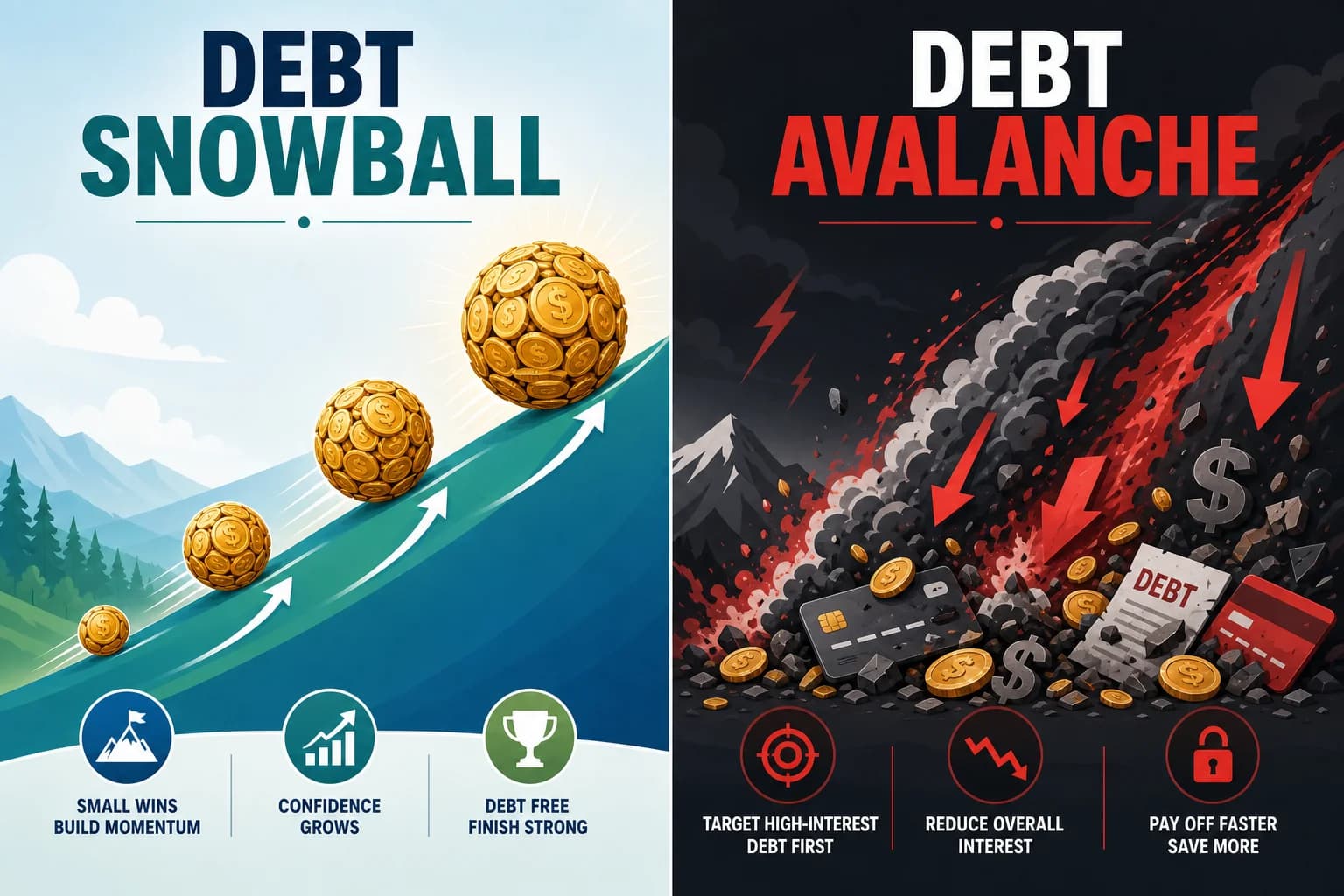
Debt Snowball vs Avalanche 2026: Which Method Actually Wins? (Math + Psychology)
You've made the call to tackle your debt. Smart move — but now comes the part nobody agrees on: should you pay off smallest balances first (debt snowball) or highest interest first (debt avalanche)? Here's the deal: the math favors avalanche. But psychology favors snowball. And the honest answer? It depends on who you are. This guide breaks down both methods, shows you the actual numbers, and helps you pick based on your personality — then walks you through exactly how to execute. By the end, yo
aiBest AI Budgeting Apps 2026: Tested & Verified
Artificial intelligence promises to automate your budget, predict your spending, and even save money for you automatically. But here is the uncomfortable truth: not every app with AI in its marketing actually uses AI. Some slap machine learning labels on basic if-then rules. Others deliver genuine automation that saves hours monthly. We spent 30 days testing 10+ AI budgeting apps to separate real capabilities from marketing hype. Here are the ones that actually work. The Short Answer (For Ski

Debt Snowball vs Avalanche 2026: Which Method Actually Works (Based on Your Personality)
You have decided to pay off your debt. That is the hardest step. Now comes the next question: Should you use the debt snowball method (smallest balances first) or the debt avalanche method (highest interest rates first)? Here is the truth: Both work. Both have freed millions of people from debt. But one of them works better for you. This guide helps you choose based on your personality, your debt structure, and your motivation style, not just spreadsheet logic. <2>The Short Answer — It Depends