
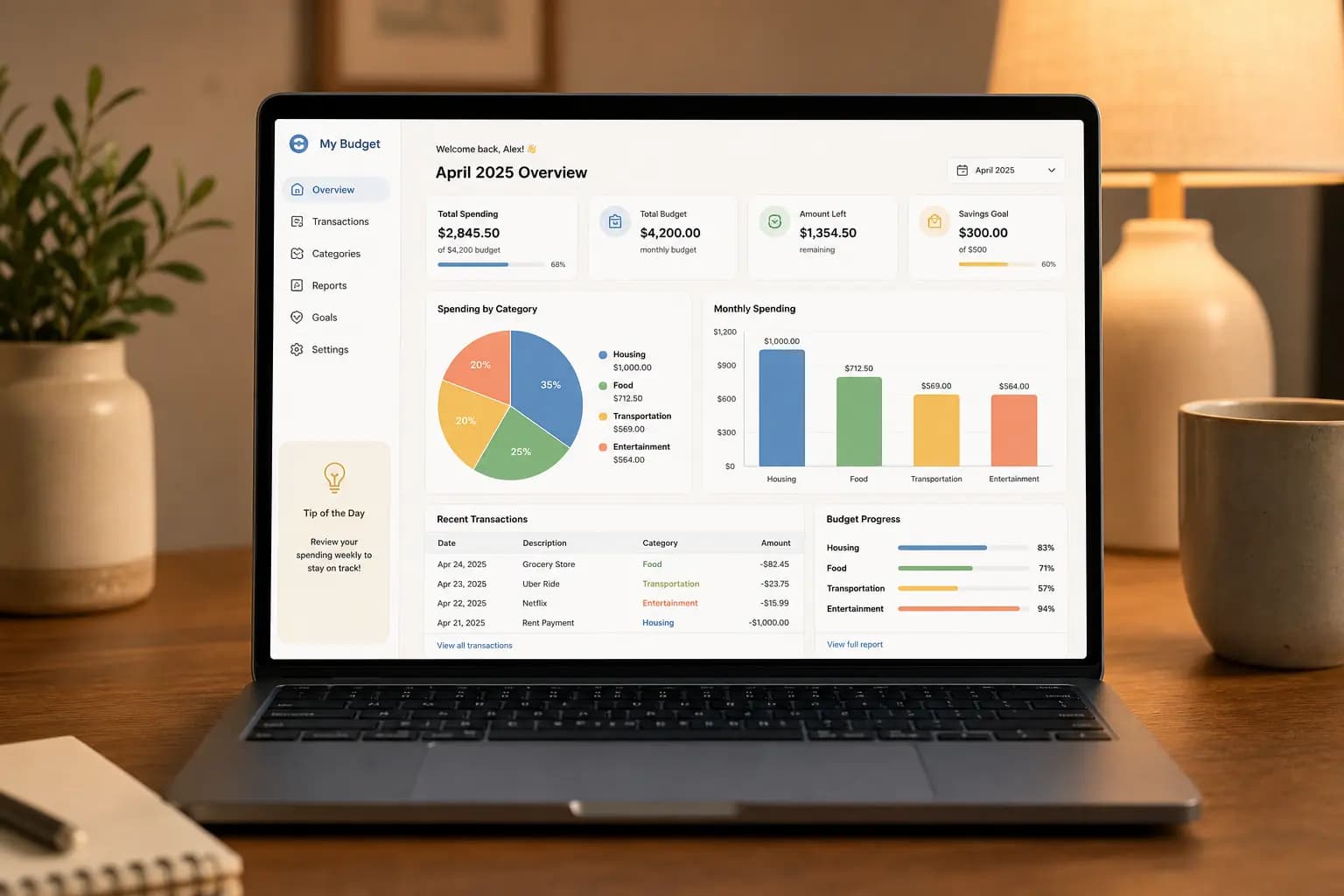
If you want better control over your money, learning how to track expenses is the best place to start. Expense tracking helps you see where your paycheck goes, catch waste early, and build a budget using real numbers instead of guesses. This beginner-friendly guide walks you through a simple system you can start using this week.
Why Expense Tracking Matters
Before diving into the how, it helps to understand the value of tracking. When you review your spending regularly, patterns become easier to spot. Small recurring purchases, forgotten subscriptions, and convenience spending can quietly add up over time. Tracking brings those patterns into view so you can make better decisions with less guesswork.
The benefits of tracking your expenses include:
- Spotting unnecessary subscriptions and recurring charges
- Identifying overspending before it becomes a problem
- Building realistic budgets based on actual data
- Reducing financial anxiety through clarity
- Creating a roadmap to reach your financial goals
What Expenses You Should Track First
If you're just starting, don't try to track everything at once. Focus on your biggest spending categories first. Here's a simple starter set:
- Housing: rent, mortgage, utilities, insurance
- Food: groceries, dining out, coffee, delivery
- Transportation: gas, public transit, car payments, maintenance
- Debt payments: credit cards, student loans, personal loans
- Subscriptions: streaming services, gym memberships, software
These five categories usually account for a large share of day-to-day spending for beginners. Once you're comfortable tracking them, you can add smaller categories like entertainment, clothing, and personal care for more detail.
Fixed vs Variable Expenses
Understanding the difference between fixed and variable expenses helps you prioritize. Fixed expenses stay the same month to month—rent, insurance premiums, loan payments. Variable expenses fluctuate—groceries, gas, dining out. When building your budget, cover fixed expenses first, then use tracking to manage variable spending.
Needs vs Wants
Another helpful framework is separating needs from wants. Needs are essential expenses—housing, groceries, transportation to work. Wants are discretionary—streaming subscriptions, restaurant meals, hobbies. Tracking both helps you see where you can cut back if money gets tight.
Step 1: Gather Your Statements and Receipts
Start by collecting one month of financial records. Log into your bank account and download statements. Gather credit card statements. Keep receipts from cash purchases. Don't worry about organizing yet—just collect everything in one place.
For many people, bank and credit card statements capture most day-to-day spending. The main gap is usually cash purchases or bills paid outside your primary accounts, so keep a quick note on your phone or in a notebook whenever cash is involved.
Step 2: Sort Expenses Into Simple Categories
Now that you have your data, sort transactions into categories. Don't overcomplicate this. Five to seven categories are enough to start:
- Housing & Utilities
- Food & Dining
- Transportation
- Debt & Savings
- Subscriptions & Entertainment
- Personal & Miscellaneous
Go through each transaction and assign it to a category. If something doesn't fit perfectly, pick the closest match. The goal is progress, not perfection.
How to Track Subscriptions
Subscriptions deserve special attention because they're easy to forget. List every monthly or annual service you pay for: streaming (Netflix, Spotify, Disney+), software (Adobe, Microsoft, cloud storage), memberships (gym, clubs), and delivery services (Amazon Prime, meal kits). Review this list quarterly and cancel anything you don't use.
How to Track Cash Purchases
Cash is the hardest spending to track because there's no automatic record. The easiest solution? Use your debit or credit card for most purchases and keep cash spending minimal. If you regularly use cash, try the envelope method—withdraw a set amount for discretionary spending and when it's gone, stop spending.
Step 3: Choose Your Tracking Method
There's no single best way to track expenses—only the method you'll actually use. Here's a simple decision framework:
Spreadsheet vs App vs Pen-and-Paper
Choose the spreadsheet method if you like control, customization, and don't mind entering data manually. Google Sheets and Excel both work well. Create columns for Date, Description, Category, and Amount. Build simple formulas to sum each category automatically.
Choose a budgeting app if you want automation and real-time insights. Apps like YNAB, Monarch, or PocketGuard connect to your bank accounts and categorize transactions automatically. You'll pay a monthly fee for most options, but the time savings can be worth it.
Choose pen-and-paper if you prefer simplicity and don't want to rely on technology. A small notebook works fine. This method requires the most discipline but keeps you deeply connected to your spending.
Step 4: Review Spending Weekly
Tracking only works if you review the data. Set a weekly money date—same day, same time, every week. Sunday evenings work well for many people. Spend 15-20 minutes reviewing the past week's transactions.
How to Set a Weekly Review Routine
During your weekly review, ask three simple questions:
- Did I stick to my spending plan this week?
- Were there any surprise expenses I need to account for?
- What adjustments should I make for next week?
This habit catches overspending early and keeps you engaged with your finances. Waiting until month-end makes course corrections much harder.
Step 5: Use the Data to Build a Budget
After tracking for one month, you have real data to build a realistic budget. Look at your category totals. Are you spending more on dining out than you thought? Is your subscription total creeping up? Use these insights to set spending targets for next month.
A simple framework is to start with your take-home pay, subtract your fixed expenses, and then assign the rest across your variable categories, savings goals, and debt payments. If you want extra structure, you can use a needs-versus-wants split as a rough starting point and adjust it based on your income, bills, and priorities.
Common Mistakes to Avoid
- Tracking for one week and giving up: Habits take time to build. Commit to at least one month before deciding if tracking works for you.
- Creating too many categories: Start simple. Five to seven categories are plenty for beginners.
- Forgetting irregular expenses: Include quarterly bills, annual subscriptions, and occasional costs like car maintenance in your tracking.
- Being too hard on yourself: The goal is awareness, not judgment. Everyone overspends sometimes.
- Not adjusting your budget: Your first budget won't be perfect. Update it based on what you learn from tracking.
Ready to start tracking? Download our simple expense tracker template or commit to tracking just one category this week. Small steps lead to big changes.
FAQ
What is the easiest way to track expenses?
The easiest method is whichever one you will keep using. For most beginners, a simple spreadsheet or a basic budgeting app offers a good balance of convenience and clarity. Start by tracking just your biggest spending categories, then add detail once the habit feels easy to maintain.
Is it better to use an app or spreadsheet?
Apps offer automation—they connect to your accounts and categorize transactions automatically. Spreadsheets give you more control and customization, and they're free. If you struggle with consistency, try an app. If you enjoy tinkering with data, use a spreadsheet. Either works if you use it regularly.
How many categories should I use?
Start with five to seven categories. Too many categories make tracking tedious; too few hide important patterns. As you get comfortable, you can split broad categories into more specific ones. For example, split 'Food' into 'Groceries' and 'Dining Out' once you want more detail.
How often should I check my spending?
Review your spending weekly. Daily checking can create anxiety, while monthly reviews don't catch problems early enough. A weekly 15-minute review strikes the right balance—frequent enough to stay aware, infrequent enough to not become burdensome.
Related Articles
Want to go deeper? Check out our guides on budgeting for beginners, fixed vs variable expenses, and practical ways to divide spending between needs, wants, and savings. Building an emergency fund? We have a complete guide for that too.
Take control of your money today
Start free with Spendmate — track expenses, plan budgets, and reach your financial goals.
Start free with Spendmate