
If the words "expense tracking" make you think of spreadsheets, receipts everywhere, and hours of tedious work—stop right there. That is not the only way. In fact, that is probably the wrong way for most people.
The easiest way to track expenses is not about perfection. It is about consistency. And consistency does not require complexity—it requires a system that fits your actual life, not someone else's ideal version of it.
This guide walks you through a simple expense tracking method that takes just minutes per day (or even per week). No judgment, no overwhelm, just a clear path forward.
Before we dive into the how, let's be clear about the why. Expense tracking is not about restriction—it is about awareness. When you know where your money goes, you can make choices that actually align with what matters to you.
- Spot spending patterns you did not notice (like that $200/month coffee habit)
- Catch errors or duplicate charges before they disappear into the void
- Feel confident about your finances instead of anxious
- Make room for the things you actually want to spend on
- Build a budget that works because it is based on real data
Here is the method. It is deliberately lightweight because the best system is the one you will actually use.
You have three realistic options. Choose one and stick with it for at least two weeks before deciding it does not work.
- Bank app + notes: Use your existing banking app's transaction list. Add quick notes to categorize unusual purchases.
- Simple spreadsheet: One tab, three columns (date, amount, category). That is it. No formulas, no automation, no complexity.
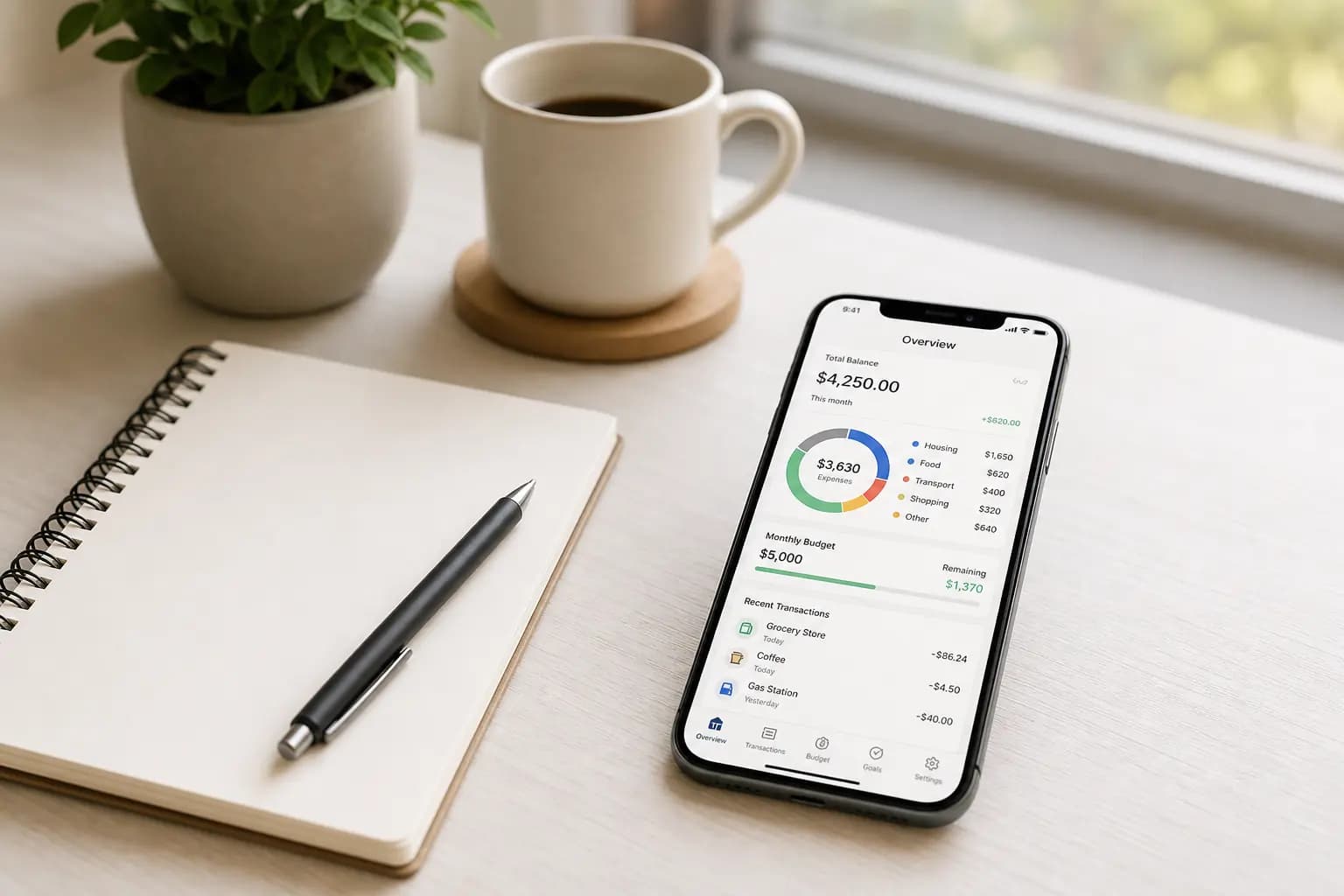
- Dedicated budgeting app: Apps like Rocket Money, Monarch Money, or Copilot do the categorization for you. Good if you want hands-off tracking.
Consistency beats intensity. Instead of marathon monthly sessions, try one of these:
- Daily approach: Check your transactions while having morning coffee. Takes 3-5 minutes. Categorize anything uncategorized. Done.
- Weekly approach: Pick one day (Sunday works well). Review the week's spending in one 10-15 minute session. Less frequent, still manageable.
Pro tip: Pair it with an existing habit. After you pour your coffee, check your spending. Habit stacking makes consistency automatic.
Detailed categorization is overrated. Start with these five:
- Fixed essentials: Rent, utilities, insurance, loan payments
- Variable essentials: Groceries, gas, basic household needs
- Lifestyle: Dining out, entertainment, hobbies, subscriptions
- Personal care: Haircuts, gym, health items
- Irregular/annual: Car registration, holiday gifts, vacations (yes, track these monthly even if you spend annually)
You can add more later if needed. But five categories give you enough insight without becoming a part-time accountant.
- Trying to track every receipt: You do not need to. Focus on card/digital transactions first. Cash can be tracked as a lump sum or ignored initially.
- Perfectionism paralysis: Missed a day? A week? Just resume. One gap does not ruin the system.
- Over-categorizing: Was this $4.50 at Target groceries or household? Pick one and move on. Precision here does not pay dividends.
- Giving up after two weeks: It takes about a month to see real patterns. Commit to 30 days before deciding this is not for you.
Tracking without action is just busywork. After 2-4 weeks of data, do this:
After your initial 2-4 weeks of daily/weekly tracking, you can shift to maintenance mode:
- Check your spending once a week instead of daily
- Review category totals once a month
- Do a deeper quarterly review to spot long-term trends
- Adjust categories or targets as your life changes
This is where most people should live. Intensive tracking is for learning. Maintenance is for living.
Ready to start? Here is your no-overwhelm launch plan:
- Day 1: Download your bank app or open a blank spreadsheet. That is the only setup required.
- Days 2-7: Check transactions once per day. Categorize using the 5 categories above. Takes 5 minutes.
- Day 7: Look at your totals. Notice anything surprising? That is your first insight.
No perfect system needed. No 20-minute daily sessions. Just seven days of five-minute check-ins.
Learning how to track expenses does not require becoming a budgeting monk. It requires a simple system you will actually use consistently.
Pick one method. Set a 5-minute check-in. Use five categories. Review after a month. Adjust one thing. That is it.
The goal is not perfect tracking. The goal is financial clarity—and that is absolutely achievable without overwhelm.
Take control of your money today
Start free with Spendmate — track expenses, plan budgets, and reach your financial goals.
Start free with Spendmate